


The Ultimate Guide to Better Website Design and User Experience
What Is a User-Friendly Website Design?
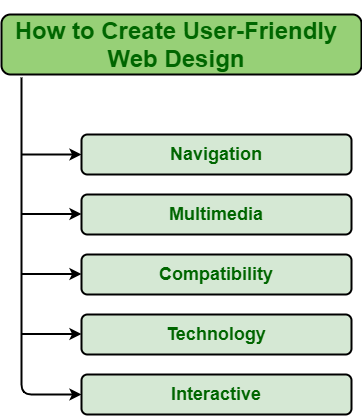
A user-friendly website design is a website design approach that makes it easy for visitors to understand content, navigate pages, interact with features, and complete their goals with minimal confusion or effort.
A user-friendly website focuses on the needs of the people using it.
For example, if a visitor wants to contact a company, the website should make the contact information easy to find instead of hiding it behind several pages.
A user-friendly website removes unnecessary friction between a visitor and their goal.
Website usability includes more than visual appearance.
A website can have modern colors and attractive graphics but still be difficult to use if navigation is confusing or important information is hard to find.
A strong user-friendly website usually combines:
- Simple navigation
- Fast performance
- Mobile responsiveness
- Clear content
- Readable typography
- Accessible design
- Consistent layouts
- Clear calls to action
- Helpful feedback
- Reliable functionality
Why Is User-Friendly Website Design Important?
User-friendly website design is important because the experience visitors have on your website can influence whether they continue exploring, contact your business, or leave the website.
Your website is often one of the first digital interactions a potential customer has with your business.
For example, if a visitor searches for your service and arrives on a confusing page with unclear information, they may struggle to understand what your business offers.
A user-friendly website can help visitors:
- Find information faster
- Understand your services
- Compare options
- Contact your business
- Complete forms
- Make purchases
- Access content
- Return to important pages
Good usability makes your website easier to use, while good design makes the experience clearer and more engaging.
A website should therefore be designed around both business goals and user needs.
What Are the Most Important Features of a User-Friendly Website?
The most important features of a user-friendly website are the features that help visitors understand, navigate, access, and interact with the website effectively.
| Feature | How It Helps Users |
|---|---|
| Clear Navigation | Helps visitors find information |
| Fast Loading Speed | Reduces waiting time |
| Responsive Design | Supports different devices |
| Readable Content | Makes information easier to understand |
| Accessibility | Supports inclusive website access |
| Clear CTAs | Shows users what to do next |
| Consistent Design | Creates familiarity |
| Simple Forms | Makes interactions easier |
| Relevant Images | Supports understanding |
| Trust Signals | Builds confidence |
The best user-friendly websites combine these elements into one consistent experience.
For example, fast speed alone does not make a website user-friendly if visitors cannot find the information they need.
Conclusion
A user-friendly website design makes it easier for visitors to find information, understand your business, interact with features, and complete important actions.
The most effective websites combine:
- Clear navigation
- Fast performance
- Mobile responsiveness
- Readable content
- Accessibility
- Consistent design
- Clear calls to action
- Simple forms
- Relevant visuals
- Trust-building information
A beautiful website is valuable, but usability gives that design a purpose.
The best website does not make visitors work to understand it—it helps them achieve what they came to do.
Ready to Build a More User-Friendly Website?
Naina Technologies can help you create a modern, responsive, and user-focused website designed around your customers and business goals.
📞 +91 98660 37733
📧 enquiry@nainatechnologies.in
🌐 www.nainatechnologies.in

Leave a Reply