

A Complete Guide for Modern Businesses
Mobile app development is the process of designing, building, testing, and maintaining software applications that run on smartphones, tablets, and other mobile devices.Businesses use mobile applications to provide services, sell products, manage operations, communicate with customers, and improve access to digital platforms.For example, an e-commerce business can create a mobile application that allows customers to browse products, place orders, make payments, and track deliveries.Mobile applications help businesses deliver services directly through the devices customers use every day.Mobile app development can include applications for Android, iOS, or multiple platforms using cross-platform technologies.
Why Is Mobile App Development Important for Businesses?
Mobile app development is important because mobile applications provide businesses with a direct and convenient way to connect with customers and deliver digital services.
First, a mobile application can make it easier for customers to access a company’s services.
For example, instead of opening a browser and searching for a website, users can open an application directly from their smartphone.
Second, mobile apps can provide personalized and interactive experiences.
For example, a shopping application can show relevant products, order history, notifications, and account information.
A mobile application can create a dedicated digital channel between a business and its users.
Mobile applications can also support internal business operations. Companies can build apps for employees, field teams, sales teams, delivery partners, and other business functions.
How Does Naina Technologies Approach Mobile App Development?
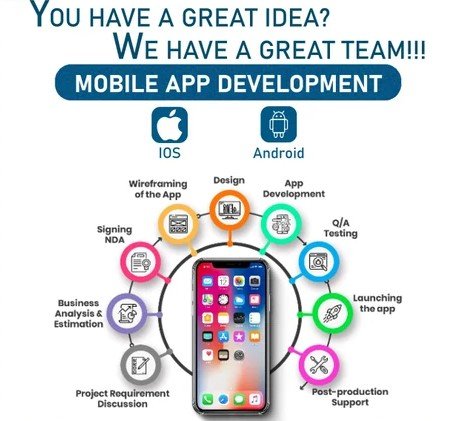
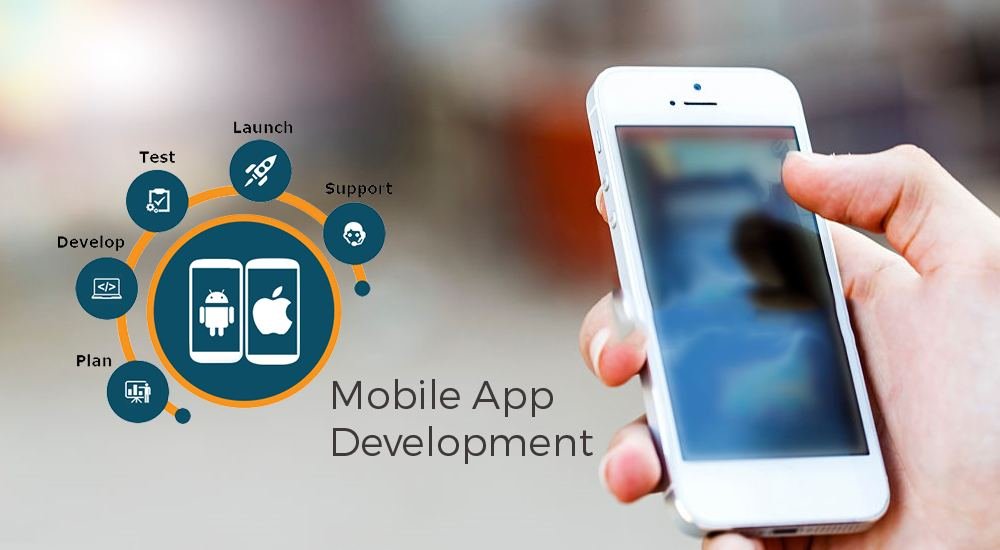
Naina Technologies approaches mobile app development by combining business requirements, user experience, technology, and scalable development practices.The process begins by understanding what the business needs and how users will interact with the application.
Understanding Business Requirements
Requirement analysis helps define the application’s purpose, target users, required features, and future goals.
For example, a startup may need a focused first version of an application, while an established business may require complex integrations with existing systems.
Understanding these differences helps determine the right development approach.
Designing the User Experience
UI/UX design helps organize the application’s screens, navigation, and interactions before development begins.
For example, customer-facing applications should make important actions easy to find and complete.
A clear design process helps reduce unnecessary complexity.
Building the Application
Application development converts business requirements and approved designs into functional mobile software.
This can involve front-end development, back-end systems, APIs, databases, authentication, and third-party integrations.
For example, a business app may connect with payment systems, CRM platforms, inventory systems, or cloud services.
Testing and Quality Assurance
Quality assurance ensures that the mobile application functions correctly and provides a reliable user experience.
Testing can identify problems before users experience them.
Ongoing Support and Growth
Continuous improvement helps mobile applications remain useful as user expectations and business requirements change.
Businesses can update features, improve performance, and introduce new capabilities over time.

What Tools and Technologies Are Used for Mobile App Development?
Mobile app development uses different tools and technologies depending on whether an application is built for Android, iOS, or multiple platforms.
Common technologies may include:
- Android development technologies
- iOS development technologies
- Flutter
- React Native
- REST APIs
- Cloud platforms
- Databases
- Firebase and similar backend services
For example, Flutter and React Native can support cross-platform development, while platform-specific technologies can be used for native mobile applications.
The right technology should be selected based on application requirements, performance expectations, integrations, scalability, and long-term maintenance needs.

Leave a Reply