

What Is CMS Design and Development ?
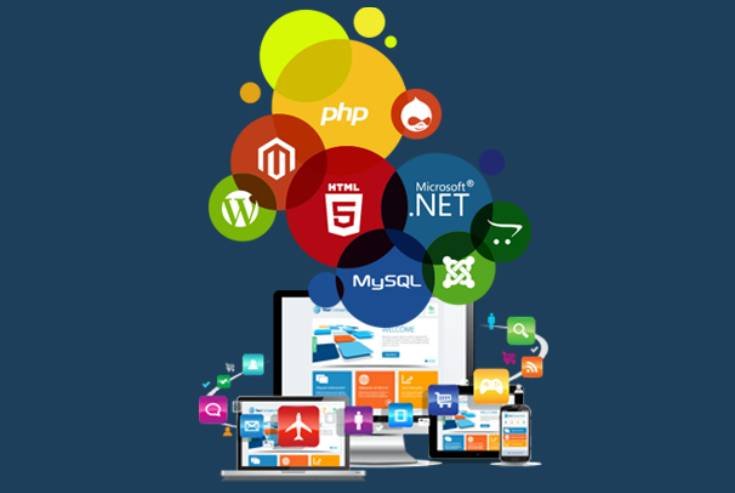
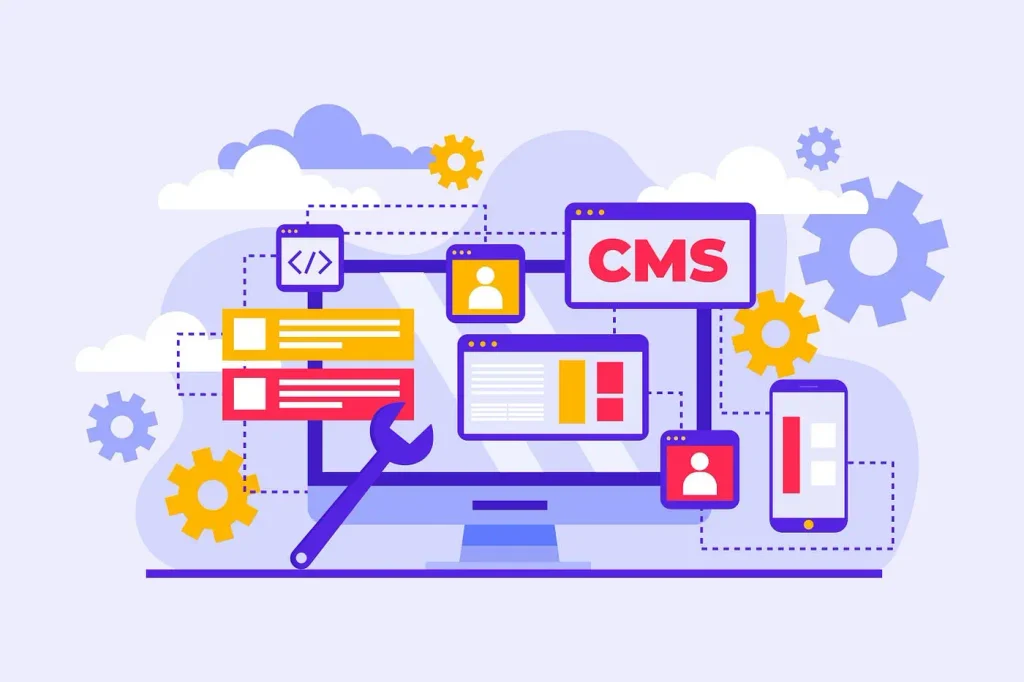
CMS design and development is the process of planning, designing, building, customizing, and maintaining a content management system that allows users to manage digital content without editing application code for every update.A CMS provides an organized environment where authorized users can create, edit, publish, schedule, and manage website content.
For example, a business may need to regularly update its services, publish blogs, add new products, share announcements, or modify company information. Instead of asking a developer to manually change the website code each time, an authorized employee can use the CMS dashboard to manage the content.A content management system separates everyday content updates from the technical code that powers a website or application.CMS design and development can involve creating a completely customized CMS Design and Development platform or configuring and extending an existing CMS according to business requirements.
How Can CMS Development Support SEO?
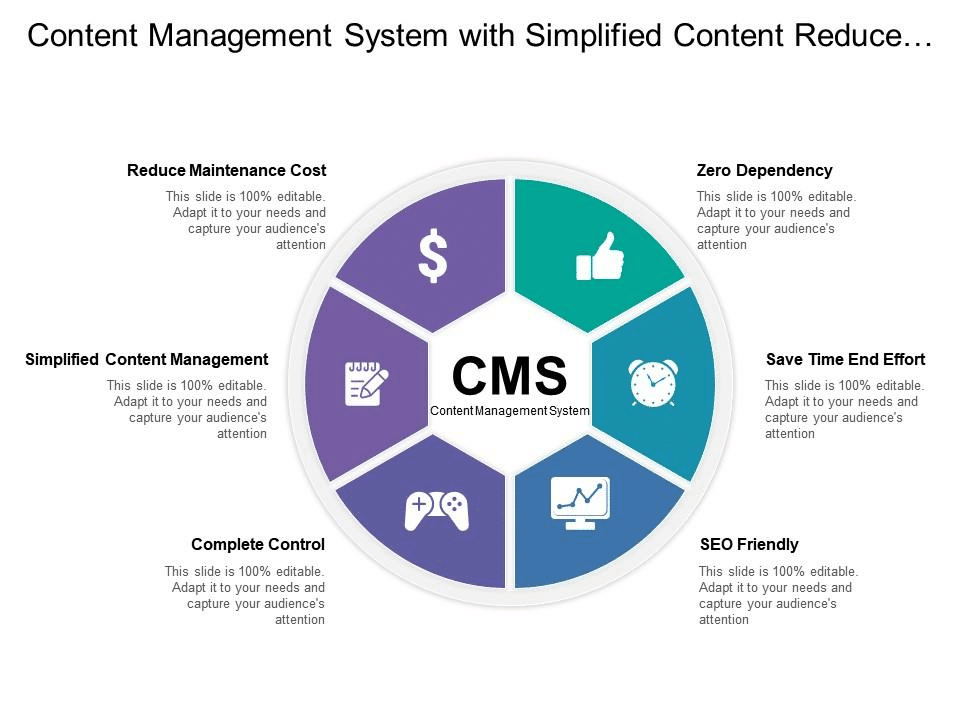
CMS development can support SEO by providing structured tools for managing page titles, meta descriptions, URLs, headings, internal links, images, and other important content elements.For example, when publishing a new service page, a CMS can provide dedicated fields for the SEO title, meta description, URL slug, and featured image.This can help content teams follow a consistent publishing process.A CMS should also support clean site architecture and organized internal linking.For example, a blog about CRM Design and Development can link to related pages about Custom Software Development, Web Development, or other relevant services offered by the business.SEO-friendly content management makes it easier to maintain consistent optimization as a website grows.
How Can a CMS Help Businesses Publish SEO Content?
A CMS helps businesses publish SEO content by providing a structured process for creating, organizing, and optimizing pages around relevant search topics.For example, a business can create dedicated blog categories for web development, software development, CRM development, CMS development, e-commerce, and digital solutions.This organized structure can make it easier for users and search engines to understand the relationship between different topics.
How Does Naina Technologies Approach CMS Design and Development?
Naina Technologies approaches CMS Design and Development as a business-focused process that connects content requirements with usable, scalable, and manageable digital systems.The development process begins by understanding what type of content the business manages and how different users interact with that content.A practical CMS development process can include the following stages.
1. Content and Business Requirement Analysis
Requirement analysis identifies the types of content, users, workflows, permissions, integrations, and business goals that the CMS needs to support.For example, a company may need separate management areas for blogs, services, products, images, and downloadable documents.Understanding these requirements before development can help create a more organized CMS structure.
2. CMS Architecture and Content Planning
CMS architecture defines how content types, databases, users, permissions, workflows, and integrations will work together.For example, a blog section may include fields for title, author, category, publication date, featured image, SEO description, and article content.This structure can help create consistency across future content.Good CMS architecture makes future content growth easier to manage.
3. UI/UX Design
CMS UI/UX design creates the dashboards, forms, navigation, and workflows that administrators and content teams will use.For example, a content writer may need a simple editing interface, while an administrator may need access to user permissions and system settings.The interface should match the responsibilities of each user.
4. CMS Development
CMS development transforms approved requirements and designs into a working content management platform.This stage can include database development, content modules, user authentication, permissions, media management, APIs, integrations, and other required functionality.The technology approach should match the project’s performance, security, scalability, and maintenance requirements.
5. Testing and Quality Assurance
CMS testing verifies that content workflows, user permissions, publishing processes, integrations, and system features work correctly.For example, testing should confirm that users can access only the features appropriate to their roles.Content publishing should also be tested across different devices and browsers where relevant.
6. Deployment and Ongoing Maintenance
CMS deployment makes the platform available for business use, while ongoing maintenance helps keep the system secure, functional, and aligned with changing requirements.As a website grows, the CMS may require new content types, integrations, features, or workflow improvements.A CMS should be treated as an evolving business platform rather than a one-time project.

Leave a Reply